
Why Financial Anxiety Is Often About Safety, Worth, and Emotional Patterns
Money anxiety often shows up late at night.
You’re finally still, scrolling through your bank account or thinking about what’s coming up next month. A trip. A tuition payment. Summer plans. Nothing catastrophic has happened, but your body tightens anyway. Your mind starts running numbers, replaying decisions, wondering whether you’re doing enough.
Money anxiety does not always look dramatic. Sometimes it feels quiet and persistent. It shows up as vigilance, second-guessing, or a low hum of pressure that never fully turns off. And for many people, financial anxiety overlaps with broader patterns of anxiety that affect daily life and relationships.
What Is Money Anxiety?
Money anxiety refers to the emotional distress, worry, or unease people experience around financial decisions, even when finances are technically stable. It is not just about dollars and cents. It is about what money represents: safety, stability, freedom, worth.
According to the American Psychological Association’s annual Stress in America report, money consistently ranks as one of the top sources of stress for adults in the United States. You can read more about their findings here.
But financial stress is not always about actual instability. Often, it is about the meaning attached to money.
Unlike practical budgeting or financial planning, money anxiety operates at an emotional level. It activates the nervous system. It reinforces internalized beliefs. It can quietly shape how safe or unsafe you feel in the world.
Why Money Anxiety Matters
Unchecked financial anxiety can interfere with decision-making, strain relationships, and slowly erode self-trust.
You might notice tension with friends around shared expenses, similar to what we explore in When Friendships & Money Issues Collide.
Or you might recognize patterns of shame that echo what we discuss in How to Fight Shame Related to Debt and Finances.
Money anxiety is rarely isolated. It connects to self-worth, identity, and belonging.
Understanding where it comes from does not eliminate it overnight. But it can shift the story from “I’m bad with money” to “Something in me is trying to feel safe.”
The Emotional Patterns Beneath Financial Anxiety
Money anxiety usually develops as an adaptation.
When Safety Feels Tied to Financial Control
Some people associate financial stability with emotional or physical safety. Even when there is enough, their nervous system stays alert.
This can look like:
- Checking accounts multiple times per day
- Struggling to spend, even on necessities
- Feeling uneasy when balances fluctuate
The body reacts as if something is at risk.
When Money Becomes a Measure of Worth
For others, finances become tied to identity. Spending triggers guilt. Saving becomes a moral scorecard. Financial stress feels personal.
“If I don’t have this figured out, something must be wrong with me.”
Money anxiety becomes self-judgment.
When Money Was a Source of Conflict Growing Up
If money conversations were tense, secretive, or blaming, your nervous system may still carry that imprint.
Avoidance may not be irresponsibility. It may be protection.
These patterns are not irrational. They are learned responses.
How Money Anxiety Shows Up in Daily Life
Financial anxiety can shape everyday behavior in subtle ways:
- Every purchase feels high-stakes.
- Conversations about money quickly become emotional or avoided.
- Bills go unopened. Budgets get skipped.
- Overworking becomes the only path to safety.
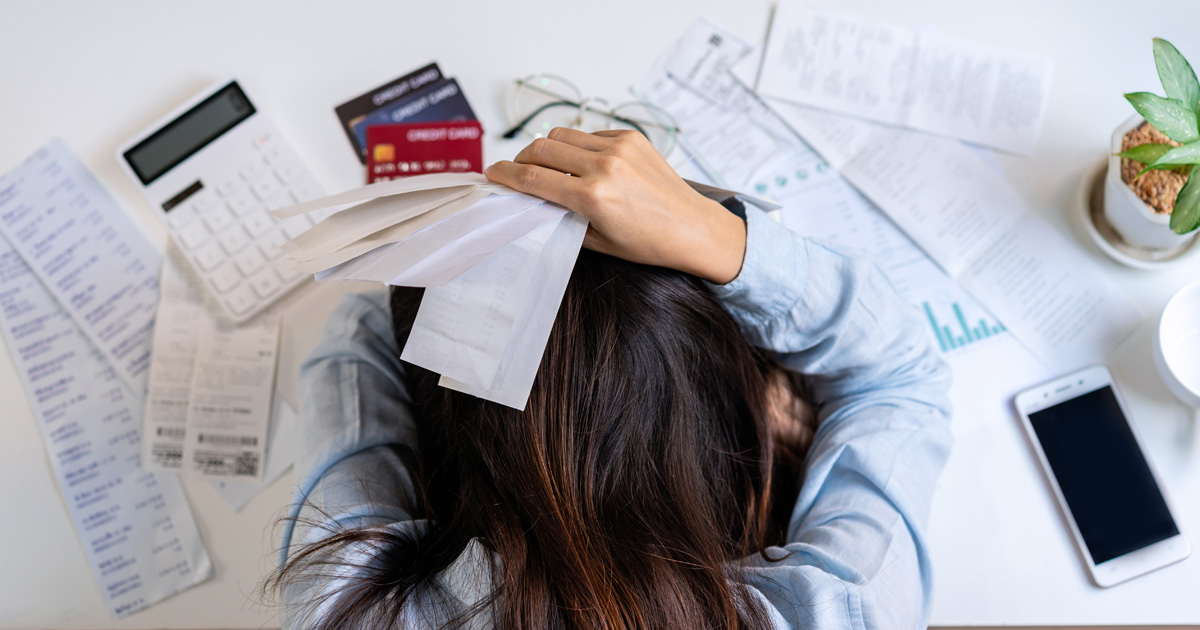
- Physical symptoms appear before logical thought. Tight jaw. Racing heart. Shallow breathing.
Money anxiety is often a nervous system response before it is a financial one, similar to how chronic stress and burnout affect the body.
A More Compassionate Way to Understand Money Stress
Money anxiety rarely responds to logic alone. It responds to curiosity and compassion.
You might ask yourself:
- When I feel anxious about money, what am I afraid might happen?
- What early messages did I absorb about security or success?
- Do I treat myself with kindness when I feel financially stressed?
The goal is not to eliminate all concern about money. The goal is to understand what the anxiety is trying to protect.
More often than not, money anxiety reflects a need for safety, clarity, or self-trust.
If financial stress feels intertwined with broader anxiety patterns, consider exploring anxiety therapy in Chicago.
can provide space to unpack both the emotional and relational layers of what money represents in your life.
Common Questions We Hear in Therapy
These are questions our therapists often hear from clients navigating this in real life.
How do I know if this is something therapy can help with?
If money triggers tightness, pressure, or constant overthinking even when things are stable, that is worth exploring. Therapy can help uncover what is underneath the anxiety.
Is this a “normal” experience, or a sign something deeper is going on?
Money anxiety is common, especially when it connects to childhood experiences, identity, or safety. It does not mean something is wrong with you. It means something meaningful deserves attention.
What does therapy usually focus on when someone comes in for this?
We focus on emotional patterns and nervous system responses, not just budgeting. Therapy helps clarify what money represents in your life and why it feels so charged.
How long does it usually take to feel some relief?
Many people notice small shifts early, often beginning with feeling understood. As insight grows, the intensity of the anxiety can soften.
What if I’m not sure I’m “ready” for therapy yet?
You do not have to feel ready. Therapy can simply be a space to get curious about your relationship with money.
Suggested Reading
If this resonates, you may also find these blogs supportive:
When Friendships & Money Issues Collide
How to Fight Shame Related to Debt and Finances
Simple Ways to Ease Your Financial Anxiety
Why We Feel Shame & How to Conquer It
If money feels like a persistent source of tension, shame, or anxiety, therapy can help you explore it with care and clarity. At Lincoln Park Therapy Group, our Chicago-based therapists support individuals and couples in understanding how emotional patterns show up in everyday life.
You can schedule an appointment using our online scheduler or by emailing us at appointments@lincolnparktherapygroup.com.
 Nicolle Osequeda, LMFT, is the founder of Lincoln Park Therapy Group, specializing in anxiety, depression, and relationship counseling in Chicago. As a Certified Daring Way™ Facilitator, she incorporates Dr. Brené Brown’s research into her therapy. Nicolle holds a Master’s in Counseling Psychology from the University of San Francisco and is a Licensed Marriage & Family Therapist in Illinois and California. She is a Clinical Fellow of AAMFT, a member of IAMFT, and the Financial Therapy Association. Nicolle has Gottman Method training and has taught at DePaul University, dedicated to helping individuals and couples achieve meaningful change.